Tree Stabilization Services Overview
Visitors will learn about how local contractors provide tree stabilization services and help property owners compare options.
- - Residential property owners seeking to stabilize trees that pose a risk to structures or landscapes.
- - Commercial property managers needing professional assistance with large or hazardous trees on business sites.
- - Landowners requiring expert services to ensure tree stability in parks, golf courses, or undeveloped land.
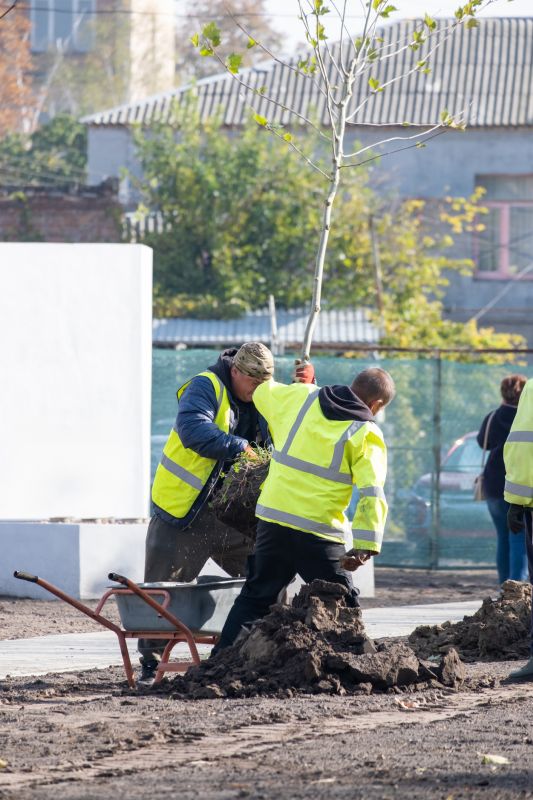
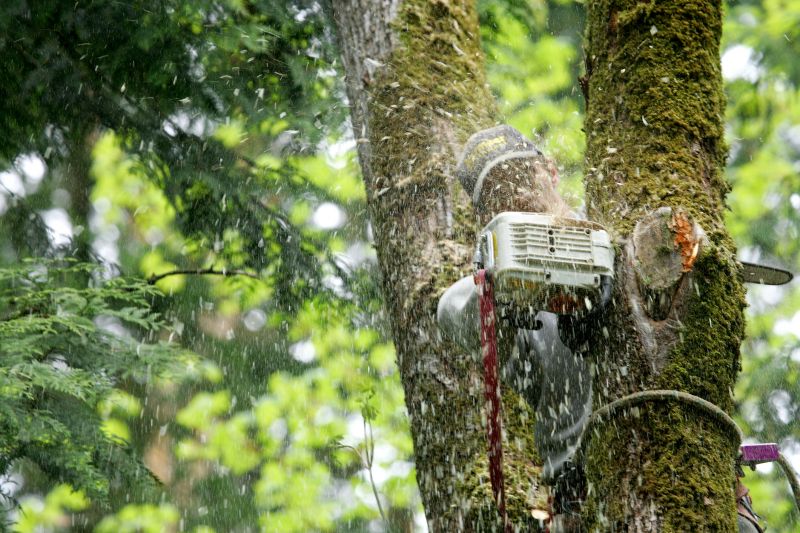
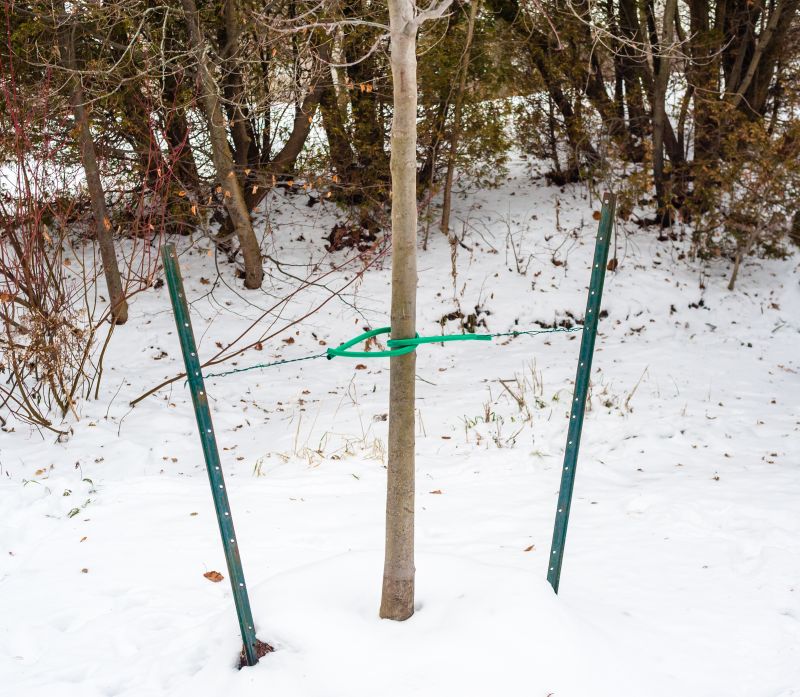
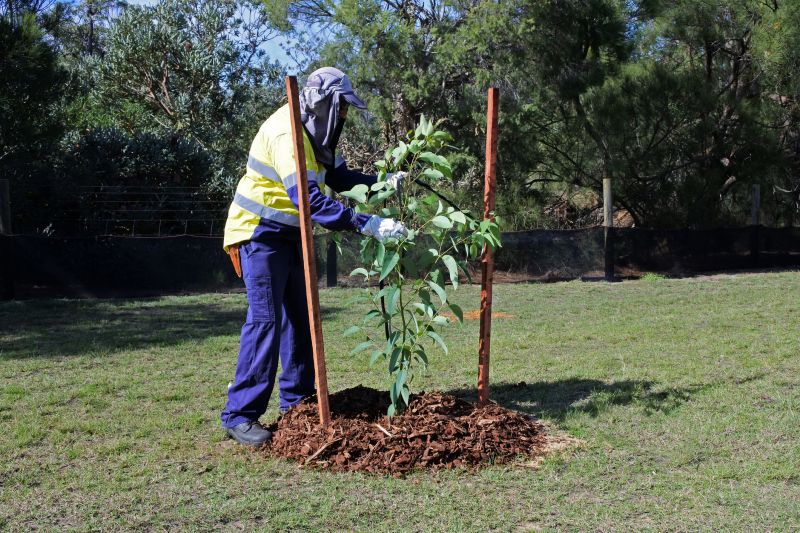
Tree stabilization services involve assessing and securing trees that may pose risks to nearby structures, power lines, or public spaces. Property owners often seek out local contractors who specialize in this work to ensure that potentially hazardous trees are properly supported or removed. These professionals utilize various techniques, such as cabling, bracing, or root stabilization, to help maintain the health and safety of trees while protecting surrounding property.
Local service providers in this field are experienced in handling diverse situations, from leaning or unstable trees to those with compromised root systems. When property owners reach out for tree stabilization, they can expect to work with experts who evaluate the specific needs of each tree and recommend appropriate solutions. Connecting with these local pros can help ensure that tree-related concerns are addressed effectively and safely.
This guide provides helpful information to understand the key aspects of tree stabilization services. It assists in comparing local contractors and understanding what to consider for your project. The goal is to help you gather the basics needed to connect with qualified service providers in your area.